Petra Weber · 3 September 2026
Scotland's Historic Lochs Face Fresh Conservation Tactics Amid Shifting Environmental Pressures
Scotland's lochs have long served as vital ecosystems and cultural landmarks, yet rising temperatures, changing rainfall patterns, and increased human activity now demand updated protection strategies. Data from monitoring programs show water levels fluctuating more dramatically in recent decades, while invasive species continue to spread through connected waterways. Observers note that traditional methods alone no longer suffice against these combined pressures, prompting agencies to test new approaches across sites like Loch Ness and Loch Lomond.
Current Environmental Challenges
Climate records indicate average loch surface temperatures have climbed steadily since the 1990s, altering nutrient cycles and supporting algal blooms that reduce oxygen for native fish populations. Precipitation shifts bring heavier downpours followed by drier spells, which erode shorelines and stir up sediments. Those who've tracked these patterns point to tourism growth as another factor, since boat traffic and shoreline development add nutrients and disturbance at peak seasons.
Research from the Scottish Environment Protection Agency reveals elevated phosphorus levels in several major lochs, a change linked to both agricultural runoff and septic systems near popular shores. Meanwhile invasive plants such as curly waterweed have established in at least a dozen locations, outcompeting local vegetation and reducing habitat diversity. These documented trends set the stage for revised conservation plans that combine monitoring technology with habitat restoration.
Emerging Conservation Approaches
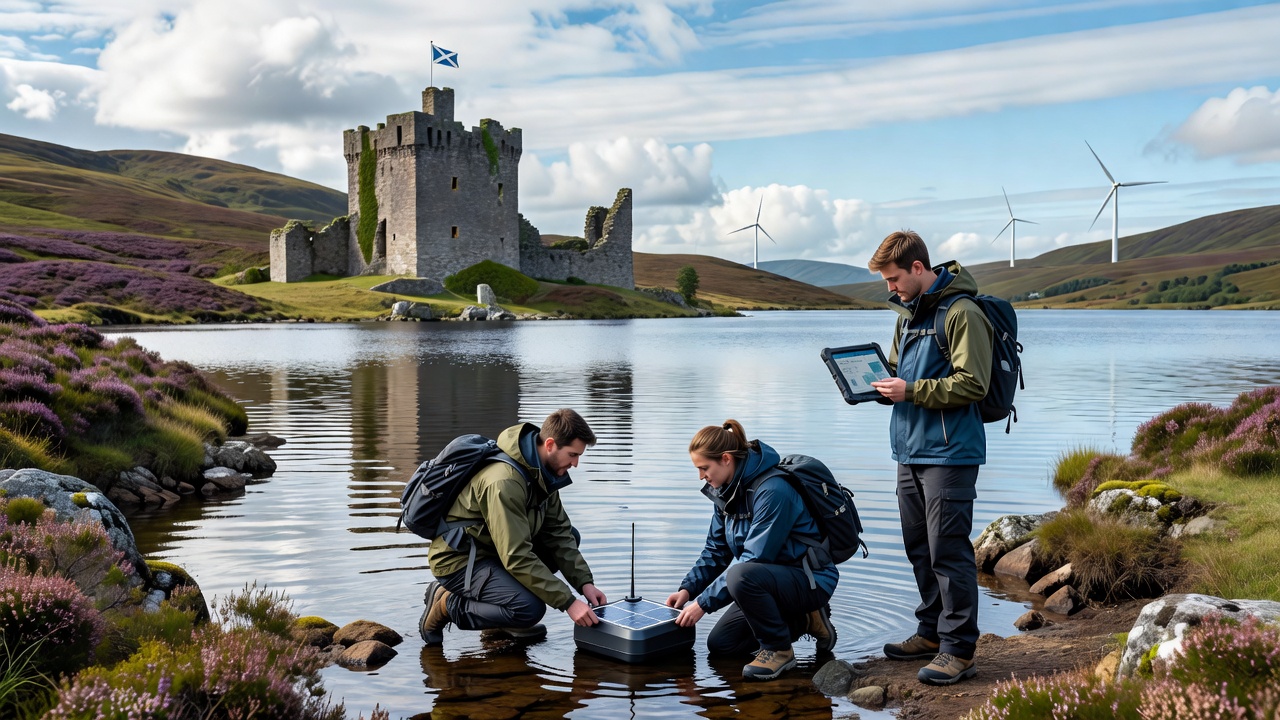
Authorities have begun piloting floating wetlands in sheltered bays to filter excess nutrients before they fuel blooms, a tactic borrowed from trials in similar temperate lakes abroad. Sensor networks installed at multiple depths now deliver real-time temperature and oxygen readings, allowing rapid response when conditions favor harmful algae. In addition, targeted removal programs focus on early-stage infestations of non-native species before they reach critical spread thresholds.
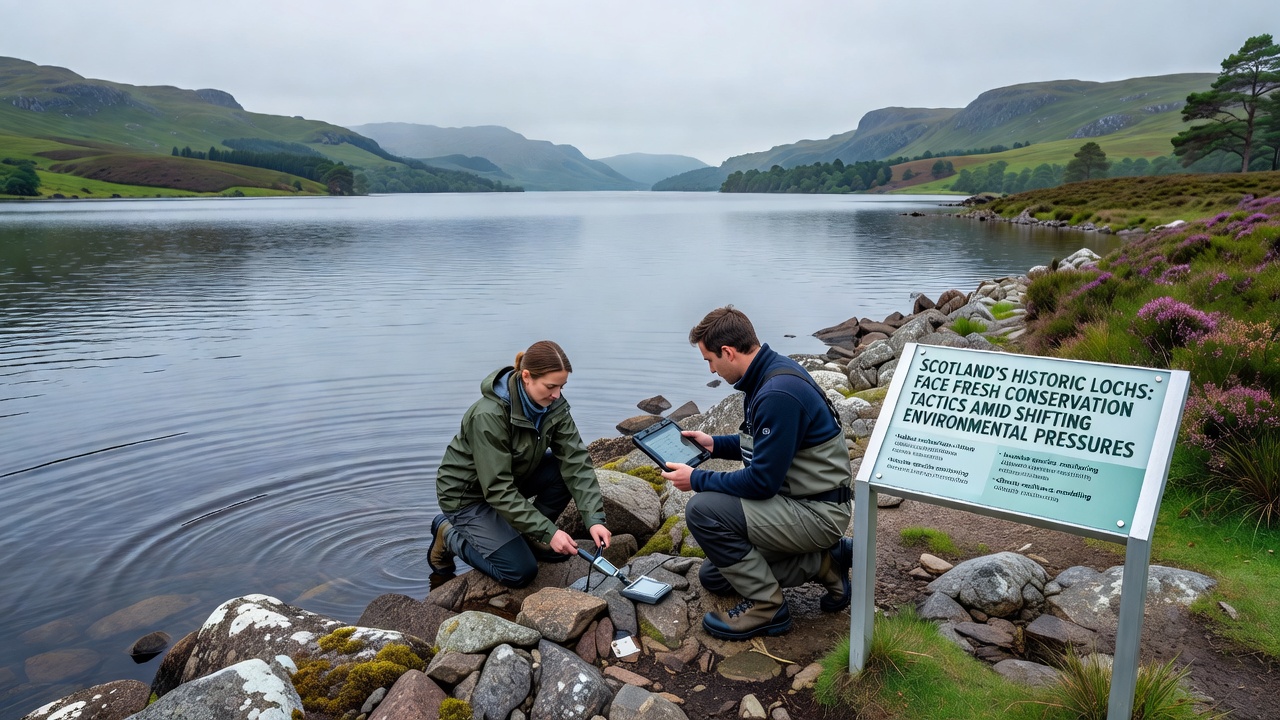
Community groups work alongside scientists to map shoreline erosion hotspots and install bio-engineered barriers made from local materials. These barriers stabilize banks while creating micro-habitats for invertebrates that support the food web. Funding for such projects draws from both national grants and partnerships with research institutions tracking climate impacts across northern Europe.
Role of Policy and Collaboration
Updated management frameworks emphasize catchment-wide planning rather than isolated loch interventions, recognizing that upstream land use directly influences water quality downstream. The Scottish Government’s biodiversity strategy outlines measurable targets for reducing nutrient loads by 2030, with interim reviews scheduled for September 2026 to assess progress against baseline data collected this decade. Cross-border cooperation with Irish and Scandinavian agencies provides comparative data on similar lake systems facing parallel pressures.
University-led studies contribute detailed models projecting future scenarios under different emission pathways, helping planners prioritize which lochs require teh most immediate intervention. These models incorporate variables such as tourism forecasts and agricultural policy changes, creating a more integrated picture than earlier single-factor analyses.
Monitoring and Technology Integration
Drone surveys now supplement traditional boat-based sampling, capturing high-resolution imagery of vegetation changes and shoreline alterations across remote areas. Acoustic sensors detect fish movements and invasive species presence without repeated netting, reducing stress on populations. Data platforms aggregate these inputs into dashboards accessible to local councils and volunteer groups, speeding up decision cycles when thresholds are crossed.
Long-term datasets maintained by NatureScot allow comparison of current conditions against historical baselines, revealing which lochs retain resilience and which show accelerating degradation. Such evidence guides allocation of limited resources toward the most vulnerable sites while maintaining protective measures at those already showing recovery signs.
Conclusion
Scotland’s lochs continue to face documented pressures from warming waters, nutrient enrichment, and species introductions, yet coordinated responses now incorporate advanced monitoring, habitat engineering, and catchment-scale policies. Information gathered through September 2026 reviews will refine these tactics further, ensuring actions remain aligned with observed environmental shifts. The combination of technology, community involvement, and cross-agency planning offers a structured path for sustaining these historic waters amid ongoing change.