Jonas Weber · 29 October 2026
Reservoir Stillness Trends in Britain and Their Connection to Farming Cycle Variations
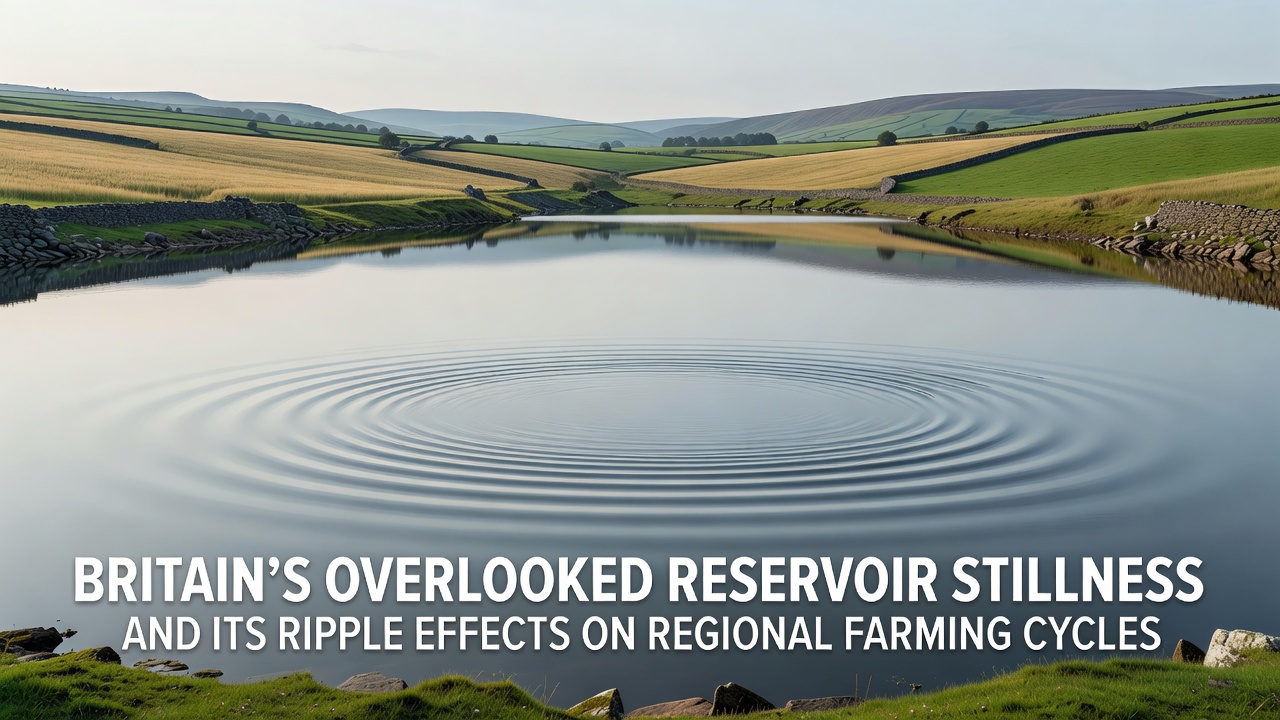
Reservoir stillness across Britain has drawn increasing attention from hydrologists and agricultural analysts who track water surface patterns alongside seasonal crop demands, and observers note that extended periods of minimal wave activity often coincide with shifts in regional irrigation schedules. Data from monitoring stations show that many reservoirs in England, Scotland, and Wales experienced longer calm intervals during recent years compared with earlier decades, while farmers in adjacent counties adjusted planting and harvesting timelines accordingly. These patterns emerge from a combination of reduced wind events, temperature fluctuations, and changes in water management practices that affect evaporation rates and nutrient distribution in surrounding soils.
Patterns of Stillness Across Key Regions
Measurements collected at major sites such as those in the Lake District and the Pennines reveal that stillness episodes lasting multiple days became more frequent between 2020 and 2026, and researchers at several universities documented correlations with altered microclimates that influence soil moisture retention. In the Midlands and East Anglia, where arable farming dominates, these calm periods reduced surface mixing and sometimes led to stratification that affected downstream water releases used for irrigation. Figures from the Environment Agency indicate that reservoir levels remained stable yet the lack of natural aeration occasionally required supplemental oxygenation measures to maintain water quality for both human consumption and agricultural use.
Links to Agricultural Timelines
Farming cycles in counties bordering major reservoirs demonstrate measurable adjustments, because growers rely on consistent water availability for spring sowing and summer irrigation, while autumn harvest windows can shift when calm conditions alter evaporation and runoff patterns. One study from the University of Reading examined wheat and barley yields in areas near the Derwent Reservoir and found that prolonged stillness correlated with slightly delayed germination in certain fields, prompting farmers to modify seed selection and tillage methods. In Wales, dairy operations near the Elan Valley reservoirs adapted grazing rotations after data showed that lower wind-driven mixing influenced pasture growth rates during late summer months.
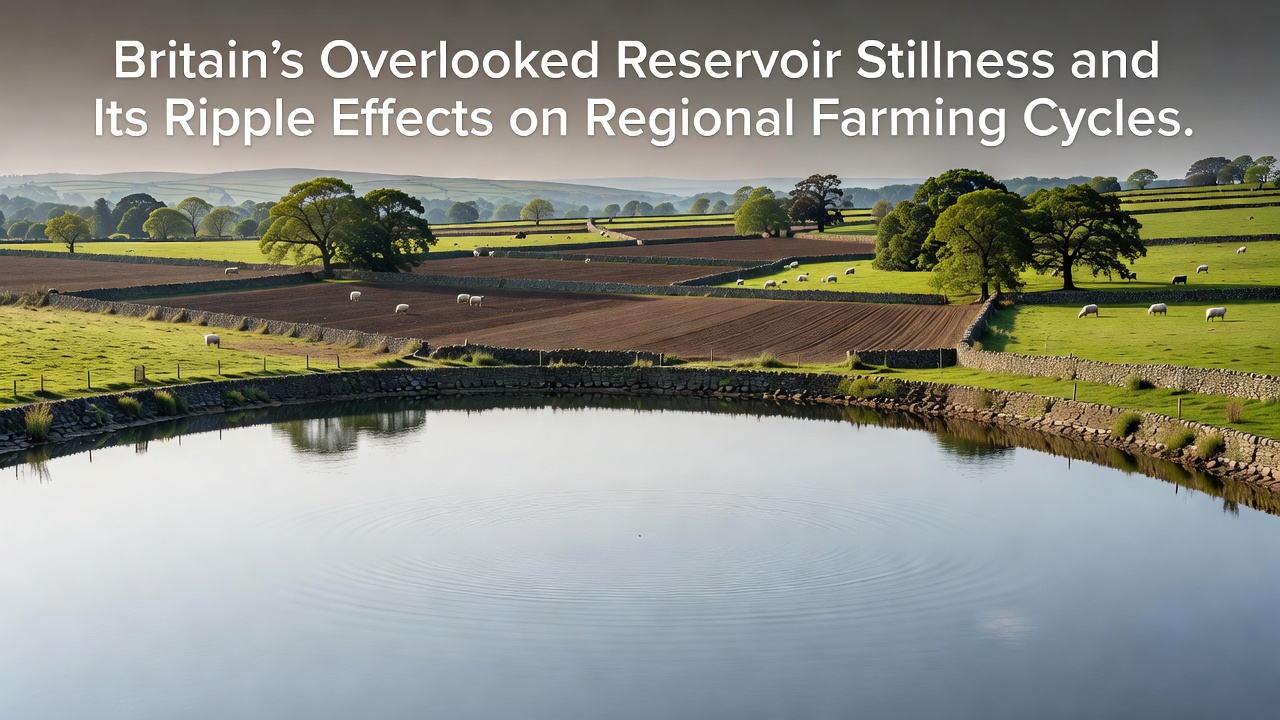
Scottish Highland estates reported similar observations, where still loch surfaces near agricultural holdings coincided with changes in hay production schedules, and land managers coordinated with water authorities to time releases that supported both livestock needs and crop cycles. Through October 2026, satellite imagery combined with ground sensors continued to track these interactions, revealing that stillness often extended into early autumn and overlapped with the critical period when many farms prepare winter feed stores. Analysts at the Food and Agriculture Organization of the United Nations have noted parallel trends in other temperate zones, where comparable water body behaviors influence local agriculture, though British conditions remain distinct due to the dense network of managed reservoirs.
Regional Case Examples and Data Trends
Take the case of reservoirs in Yorkshire, where records show that stillness durations increased by roughly 15 percent over a five-year span ending in 2026, and local cooperatives responded by installing additional monitoring buoys to predict impacts on nearby vegetable plots. In contrast, reservoirs in the Southwest maintained shorter calm intervals yet still affected orchard irrigation cycles when water temperatures rose during extended quiet periods. These variations highlight how geography, reservoir depth, and surrounding land use combine to shape outcomes, while data sets compiled by the Met Office help forecast when stillness might next influence planting decisions across multiple counties.
Observers note that many farming communities now incorporate reservoir monitoring into routine planning, because the information supports decisions on fertilizer timing and pest management that depend on stable water supplies. Government reports from the Department for Environment, Food and Rural Affairs detail how agencies share real-time readings with agricultural groups to minimize disruptions during critical growth phases. What's interesting is the way these practices have evolved without major infrastructure changes, relying instead on better data integration and seasonal forecasting tools.
Conclusion
Overall, the documented trends in British reservoir stillness continue to intersect with regional farming cycles through measurable effects on water quality, irrigation reliability, and microclimate conditions, and ongoing monitoring through late 2026 provides the evidence base for adaptive strategies. As records accumulate, analysts expect further refinements in how agricultural and water management sectors coordinate responses to these patterns.